
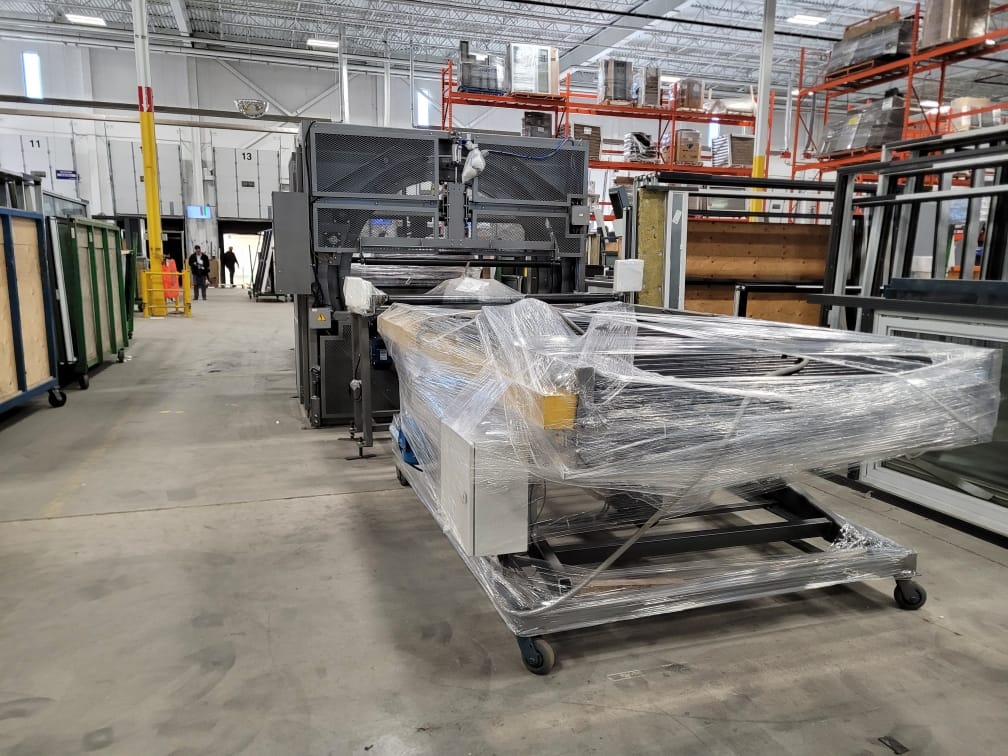
Sourcing machinery from China or India can offer significant cost advantages and access to a wide range of manufacturing capabilities. However, without proper evaluation, it can also lead to quality issues, delays, and operational risks.
Before making a purchase, it’s critical to assess key technical, operational, and supplier-related factors to ensure you are investing in reliable equipment.
1. Define Your Technical Requirements Clearly
Before contacting any supplier, ensure you have a clear understanding of:
- Machine capacity and performance requirements
- Operating conditions and environment
- Material specifications
- Power requirements and compatibility
- Safety expectations
Clear requirements prevent miscommunication and ensure the equipment meets your operational needs.
2. Verify Manufacturer Capability
Not all suppliers are equal. It’s important to evaluate:
- Experience in producing similar machinery
- Production capacity and infrastructure
- Previous export experience
- Client references and project history
A capable manufacturer reduces the risk of quality and delivery issues.
3. Review Design and Engineering Details
Do not rely only on brochures or product images.
Request and review:
- Detailed drawings and specifications
- Structural and component design
- Materials used in fabrication
- Critical dimensions and tolerances
This step ensures the machine is designed for durability, performance, and real-world use.
4. Assess Quality Control Processes
Understanding how the manufacturer controls quality is essential.
Check for:
- Inspection procedures during production
- Final testing protocols
- Documentation and reporting
- Consistency in production
Strong quality control directly impacts machine reliability.
5. Confirm Compliance and Standards
Ensure the machinery aligns with applicable standards and requirements in your region.
This may include:
- Safety requirements
- Electrical compatibility
- Operational guidelines
- Certification (if applicable)
Non-compliance can lead to costly modifications or operational risks.
6. Understand Lead Time and Logistics
Always clarify:
- Manufacturing lead time
- Packaging and shipping method
- Transit duration
- Import duties and logistics handling
Hidden delays or logistics issues can disrupt your operations.
7. Request Samples, Videos, or Factory Visits
Whenever possible:
- Review videos of the machine in operation
- Request inspection reports
- Arrange third-party inspections
- Visit the facility (if feasible)
Seeing real performance reduces uncertainty.
8. Evaluate After-Sales Support
A reliable supplier should offer:
- Technical support
- Spare parts availability
- Troubleshooting assistance
- Clear communication channels
After-sales support is critical for long-term operation.
Conclusion
Buying machinery from China or India can be a highly effective strategy — but only when approached with proper due diligence.
By focusing on technical clarity, supplier capability, quality control, and compliance, businesses can reduce risk and ensure successful implementation.
 thedalalsgroup.com
Leave a comment