
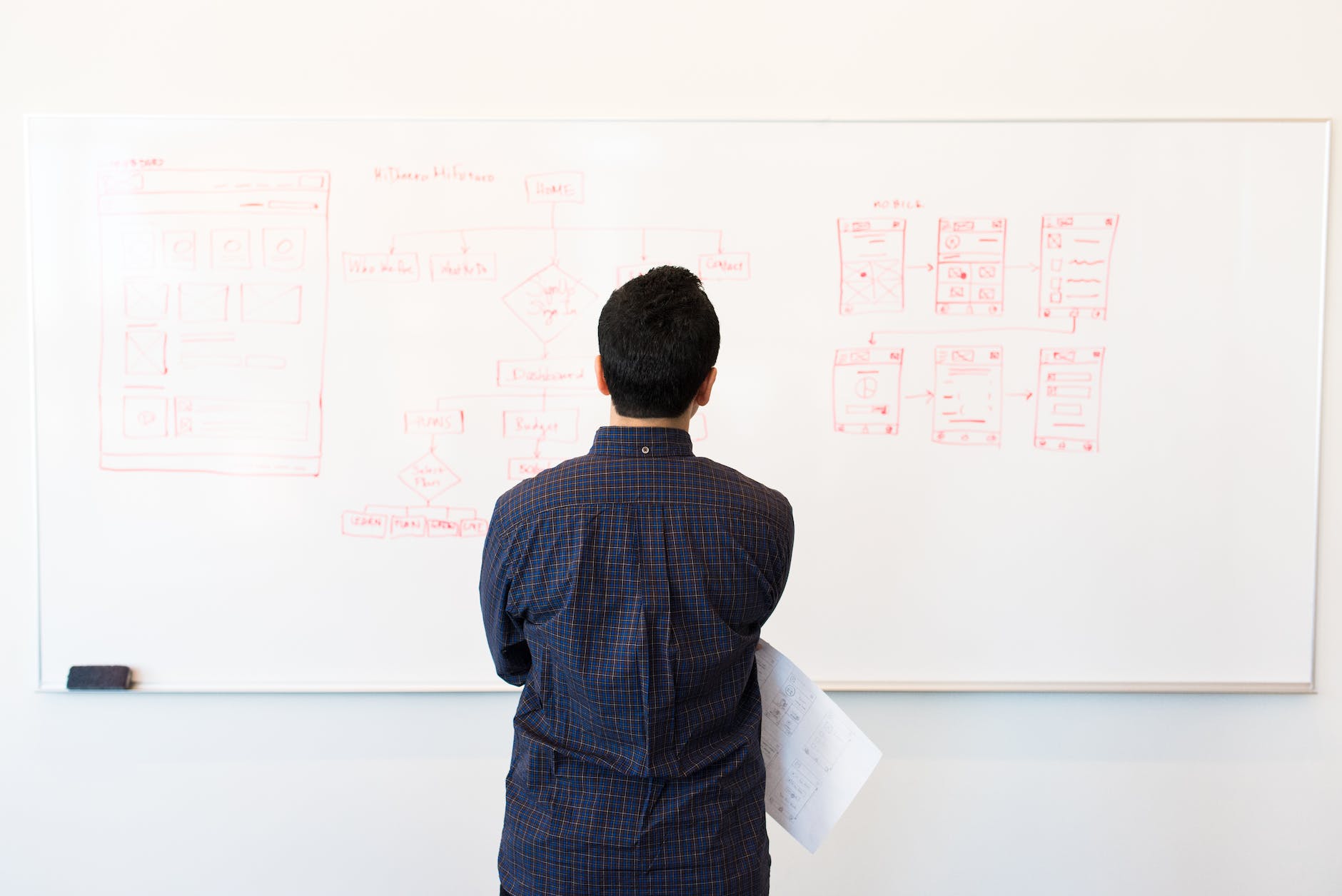
The problem statement for the project is to improve the current process of fabricating windows and panels in the company. The current process involves the assembly of frames, placement of spacers, IGUs and glazing, followed by loading the windows in a trailer, all based on the production schedule. Meanwhile, the panels are fabricated in a separate department, painted, and then assembled on the windows before shipping to the site, based on the shipping schedule. This resulted in inefficiencies and a lack of coordination between the two departments, leading to missing panels and backorders. The goal of the project was to align the two departments and incorporate the panel fabrication schedule within the production schedule to increase efficiency and reduce missing panels and backorders.
Approach:
- Analysis of the current process: The first step was to thoroughly analyze the current process of fabricating windows and panels. This involved mapping out the different steps involved, documenting the current production and shipping schedules, and identifying the pain points and inefficiencies in the process.
- Identifying opportunities for improvement: After analyzing the current process, the next step was to identify opportunities for improvement. This involved looking at ways to incorporate the panel fabrication schedule within the production schedule and align the two departments.
- Preparation of alternative layouts: The team prepared alternative layout options through AutoCAD to determine the best way to accommodate the new process. They considered factors such as equipment placement, the flow of material, and accessibility.
- Designing, Manufacturing, and Validating Special Purpose Tables: Based on the analysis, it was decided to design, manufacture, and validate special purpose tables for the panel assembly process. These tables were designed to incorporate the panel fabrication schedule within the production schedule, allowing the panels to be ready for assembly by the time the frame reaches the glazing line.
- Implementation of the new process: The team then implemented the new process, which involved incorporating the panel fabrication schedule within the production schedule. This involved coordinating with the different departments and making necessary changes to the production and shipping schedules.
- Commissioning and validation: Once the new process was implemented, the team conducted commissioning and validation activities to ensure that the new process was running smoothly and meeting the objectives of the project.
- Ongoing monitoring and improvement: Finally, the team established a system for ongoing monitoring and improvement of the new process to ensure its sustainability and address any future inefficiencies.
Results:
The result of the project was that the new panel assembly process was successfully integrated into the overall production schedule. This resulted in a smoother and more efficient workflow, as the panels were now being fabricated and assembled in a timely manner and there was no need for the previous step of removing windows from the trailer and assembling panels. The special purpose tables were also designed, manufactured, and validated, which further improved the process.
The change in the production schedule allowed for better use of resources and manpower, and significantly reduced the chance of missing panels and backorders. This, in turn, resulted in higher production levels, as there were fewer bottlenecks in the process and the workers were able to complete more tasks in less time. The new panel assembly process was well-received by all departments involved and it was considered a major success by the management.
Challenges:
- Implementation of the new process required coordination between multiple departments, including production, engineering, and shipping.
- The change in the production process involved significant modifications to the existing layout, which required careful planning and execution.
- Ensuring the smooth transition to the new process and ensuring that all employees were trained on the new procedures was a significant challenge.
 thedalalsgroup.com
Leave a comment