
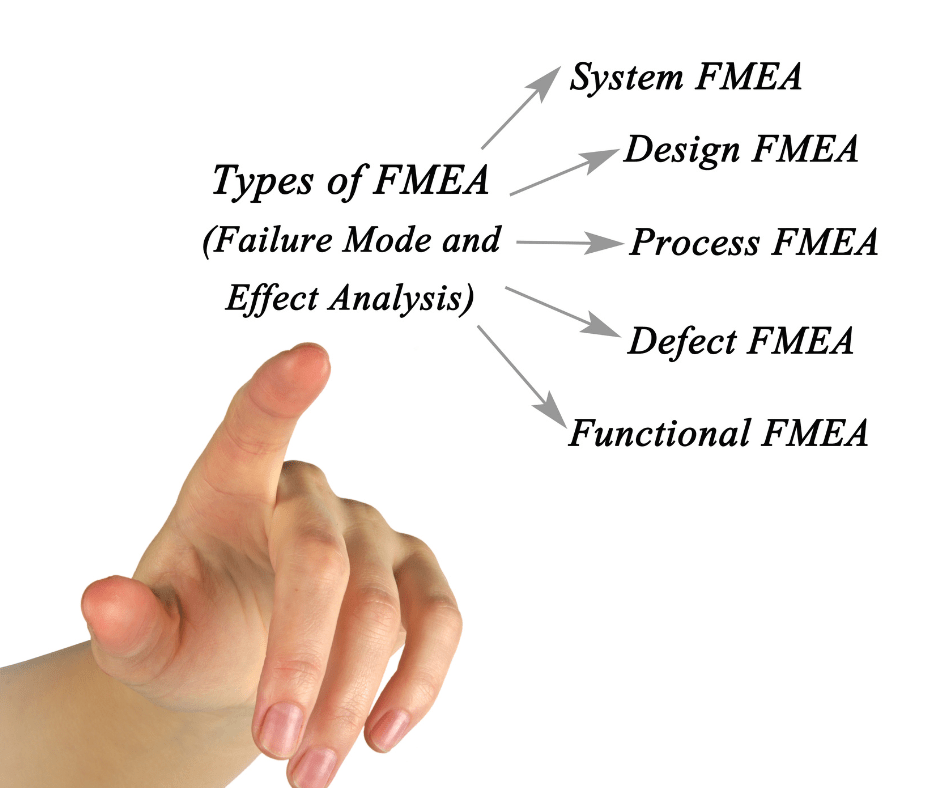
As a senior process engineer in a manufacturing company, I was responsible for designing and implementing a new production line for a new product. During the process mapping and design phase, we identified several potential failure modes that could occur during the production process.
To mitigate these potential risks, we conducted a PFMEA (Process Failure Mode and Effects Analysis) on the new production line. We assembled a cross-functional team consisting of members from the R&D, purchasing, engineering, production, quality, and maintenance departments to conduct the PFMEA.
The team first identified all potential failure modes for each step in the production process, including design, machining, assembly, glazing, and packaging. We then determined the severity, occurrence, and detectability for each failure mode and calculated the Risk Priority Number (RPN) for each failure mode.
Based on the RPN scores, we prioritized the failure modes with the highest risk and developed action plans to address them. These action plans included implementing additional quality checks, improving process controls, adding redundant components, and modifying the design of certain components.
For example, during the PFMEA, we identified that there was a risk of material contamination during the machining process. To address this, we implemented an additional quality check at the machining station and added protective tape around the machining part to prevent contamination from nearby operations.
The PFMEA helped us to identify potential risks in the production process and implement measures to mitigate these risks. By addressing these risks proactively, we were able to improve product quality and reduce the likelihood of defects, ultimately leading to increased customer satisfaction.
In summary, the PFMEA was a crucial tool in developing and implementing the new production line, helping us identify and address potential failure modes in advance and ensure a smooth and efficient production process.
 thedalalsgroup.com
Leave a comment